
Sampling delays often come from unresolved decisions rather than sewing alone. The fastest useful response is to identify the blocked input, its owner and its effect on the next stage. Repeatedly asking for an earlier completion date does not remove a material or approval dependency.
Track missing specifications, materials, artwork and feedback in one shared decision list. Confirm the cause and next action, then revise the sample plan around the actual dependency.
Find the First Unresolved Decision
Review the current sample stage and ask what must be complete before work can proceed. A project may look active while a single measurement, colour or component remains undecided.
- Which input is missing or unapproved?
- Who supplies or decides it?
- What work can continue independently?
- Does the answer affect only the sample, or also price, MOQ and bulk timing?
Close Specification Gaps Early
Conflicting reference images, missing measurements and unclear construction can create avoidable revisions. A request for “the same fit” needs a defined garment or measurement reference.
Send one current technical brief. Mark uncertain features as questions, and agree whether the first sample is testing fit, design direction, material or all three. A prototype should not be judged against decisions that were never supplied.

Separate Material Delays From Fit Work
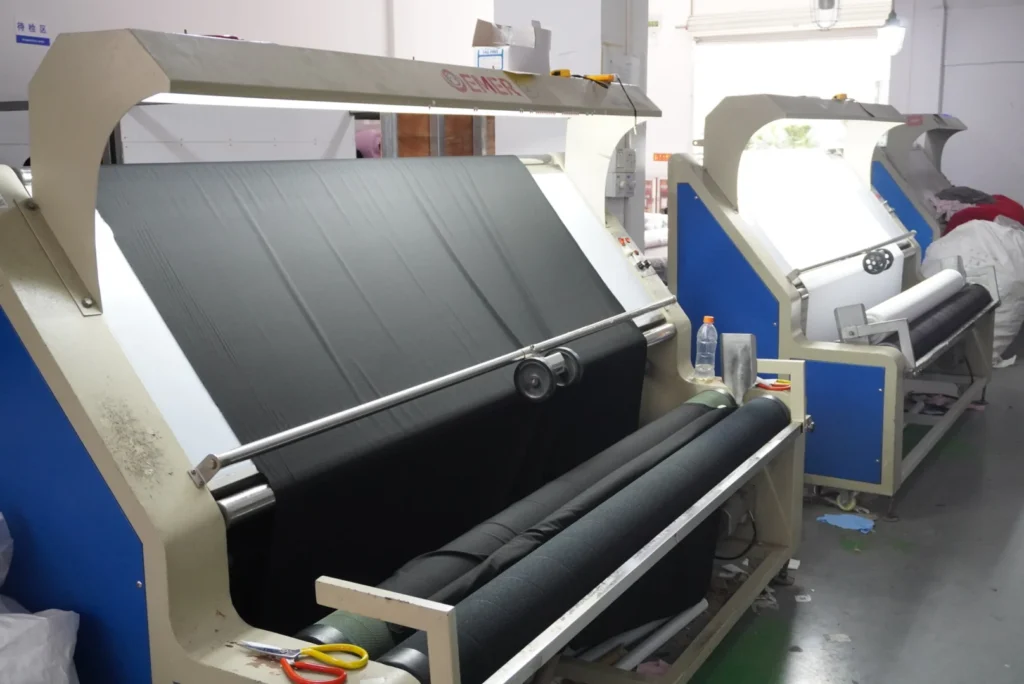
Custom dyeing, unavailable fabrics and special hardware can change the plan. Ask whether a temporary substitute can support a limited fit review, and record exactly what that review cannot approve.
- Confirm material and trim codes, stock status and estimated readiness.
- Identify which colours or components need a separate trial.
- Approve substitutions explicitly before use.
- Revisit the schedule if the final material changes stretch, thickness or construction.
Send One Consolidated Feedback Round
Comments from design, sales and management can conflict if sent separately. Appoint one person to combine them into an actionable response.
- Identify the sample, size, colour and specification version.
- Use annotated photos and actual measurements.
- State the required change and its purpose.
- Separate a correction from an optional design revision.
- Resolve contradictions before authorizing another sample.
Avoid comments such as “too tight” without stating where, under which movement and relative to which fit target.
Allow Time for Receipt and Review
Courier transit, sample receipt and wearer review are separate from making time. Agree a realistic review window and communicate when the sample is available for assessment.
If a key reviewer is absent, either nominate an authorized replacement or record the delay. Partial approval should list what has been accepted and what is still open; silence should not be treated as approval.

Reset the Plan After a Change
Use a brief recovery record: blocker, owner, action, due date, affected milestone and confirmed outcome. Ask whether the change requires another sample, revised material purchase or updated quotation.
For a fixed launch target, discuss a simpler confirmed scope rather than omitting necessary reviews. The sample-development timeline shows the approval handoffs to retain.

Buyer Questions
Will paying for a sample remove all delays?
Payment can be a start condition, but it does not resolve unavailable components, unclear specifications or late approvals. Confirm all start conditions together.
Can a substitute material be approved for bulk?
Only after an explicit review of the changed material and its garment effect. Approval of prototype fit does not silently approve a different final fabric.
How can a buyer reduce repeat revisions?
Provide a stable brief, one decision owner and a consolidated comment sheet. Keep the sample purpose clear and update all affected files after each agreed change.
RELATED PRODUCT DIRECTIONS
Explore Styles for Your Brief.
Use these styles as starting points. Fabric, fit and branding are developed for your project.
Your Next Step
Use the sample-review checklist and send the current sample status, reference version and unresolved decisions. This gives the team a practical basis for the next action.