
An activewear sample timeline is a sequence of decisions, material preparation, making and review. A quoted sewing period is only one part of the process. Plan from the information and approvals available today, then identify what must be complete before the next stage can start.
Agree a staged sample plan with an owner, required inputs and an approval point for each stage. MIQI confirms sampling costs and timing after reviewing the actual brief; no single delivery period applies to every custom style.
Stage 1: Review the Product Brief
Start with the product type, intended activity, target customer, size range and available reference. A tech pack is helpful, but a reference garment or annotated images can also begin a feasibility discussion.
- Buyer input: drawings or references, measurements, colour direction, artwork, quantity and target timing.
- Review output: agreed development scope, missing decisions, sample cost and proposed schedule.
- Approval point: both teams know what the first sample is intended to answer.
Use the tech-pack checklist to identify gaps before a date is promised.
Stage 2: Confirm Materials and Components
The first prototype may use available material to check shape, but a substitute cannot prove the hand feel, recovery, colour or branding of the final choice. State substitutions clearly and separate fit approval from material approval.
- Confirm fabric and trim availability, colour route and any custom purchasing minimums.
- Identify cups, elastic, zips, labels and artwork that must arrive before making.
- Allow a separate decision for custom colour samples and logo trials.
- Record the selected codes and the date on which each dependency is ready.
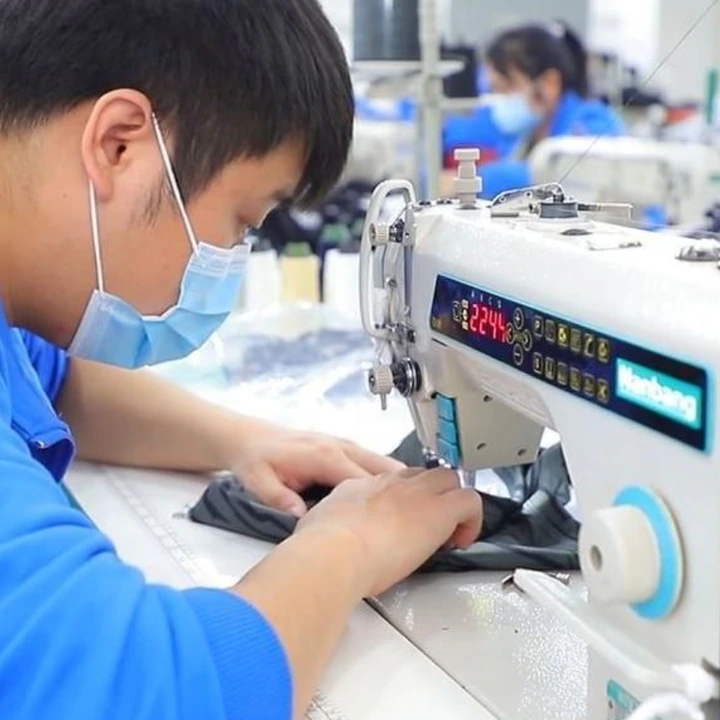
Stage 3: Make and Review the First Sample
The prototype should be reviewed against a named brief and measurement sheet. Record which size was made, which material was used and which construction details remain provisional.
If the sample is couriered, include transit and the buyer’s review time in the plan. A sample that has finished sewing has not yet completed the approval process.

Stage 4: Consolidate Revisions
- Photograph the sample and mark the exact point being discussed.
- Compare actual measurements with the current specification, using the agreed measurement method.
- Combine fit, construction and appearance comments into one version-controlled response.
- Ask which changes require new material, a pattern update, a logo trial or another sample.
- Agree the next sample purpose and revised schedule before it is made.
“Make it better” is not an actionable revision. Distinguish a defect from a new design preference, and resolve conflicting comments before production continues.
Stage 5: Approve the Production Reference
Before bulk production, agree which sample and product-file version are authoritative. Depending on the project, this may include a size set, final-material sample or pre-production sample; confirm the required stages instead of assuming all are included.
- Fit, measurements and grading direction.
- Fabric, colour, components and branding.
- Construction, workmanship and care information.
- Packing, inspection and outstanding conditions.
A fit approval on substitute fabric does not approve a bulk-material change. List any remaining conditions and who must close them.

Build a Calendar With Dependencies
Work backwards from the required delivery date, including shipment and receiving time. Mark milestones as estimated or confirmed. Ask what changes if a colour approval, component or buyer response is late.
Keep one simple tracker: stage, owner, required input, expected completion, actual completion and decision. Separate sampling from bulk-production and transport estimates. The MIQI custom process connects these handoffs.

Buyer Questions
When does the sample clock start?
Confirm the trigger in writing. It may depend on the approved brief, sample payment, material availability and artwork, rather than the date of the first enquiry.
Does approval of one size approve the full size range?
Not automatically. Agree whether grading review or a size set is needed and which sizes will be checked.
Can a launch date be guaranteed before the sample is approved?
A launch target can guide planning, but material, revision, production and transport dependencies must be reviewed before a delivery commitment is confirmed.
RELATED PRODUCT DIRECTIONS
Explore Styles for Your Brief.
Use these styles as starting points. Fabric, fit and branding are developed for your project.
Your Next Step
Prepare the project and sample checklists, then request a sample plan with your reference, open decisions and target date. For current blockers, use the sampling-delay guide.