
Activewear MOQ is the minimum quantity a supplier can accept for a defined production scope. The useful question is not simply “What is your MOQ?” but “What minimum applies to this style, material, colour and size allocation?” A total order quantity can hide several separate minimums.
MIQI projects normally begin at 100 pieces per colour across three sizes. Treat this as a starting basis for discussion, not an automatic approval for every combination. Final MOQ depends on the selected style, fabric, colours, components and branding.
Separate the Different Minimums
Ask the supplier to identify each constraint before you commit to a launch plan. A garment minimum and a material purchasing minimum are not necessarily the same.
- Style: a new pattern or construction can require its own production setup.
- Colour: custom dyeing may create a separate fabric-lot requirement.
- Size: confirm which sizes can share a colour quantity and how units are allocated.
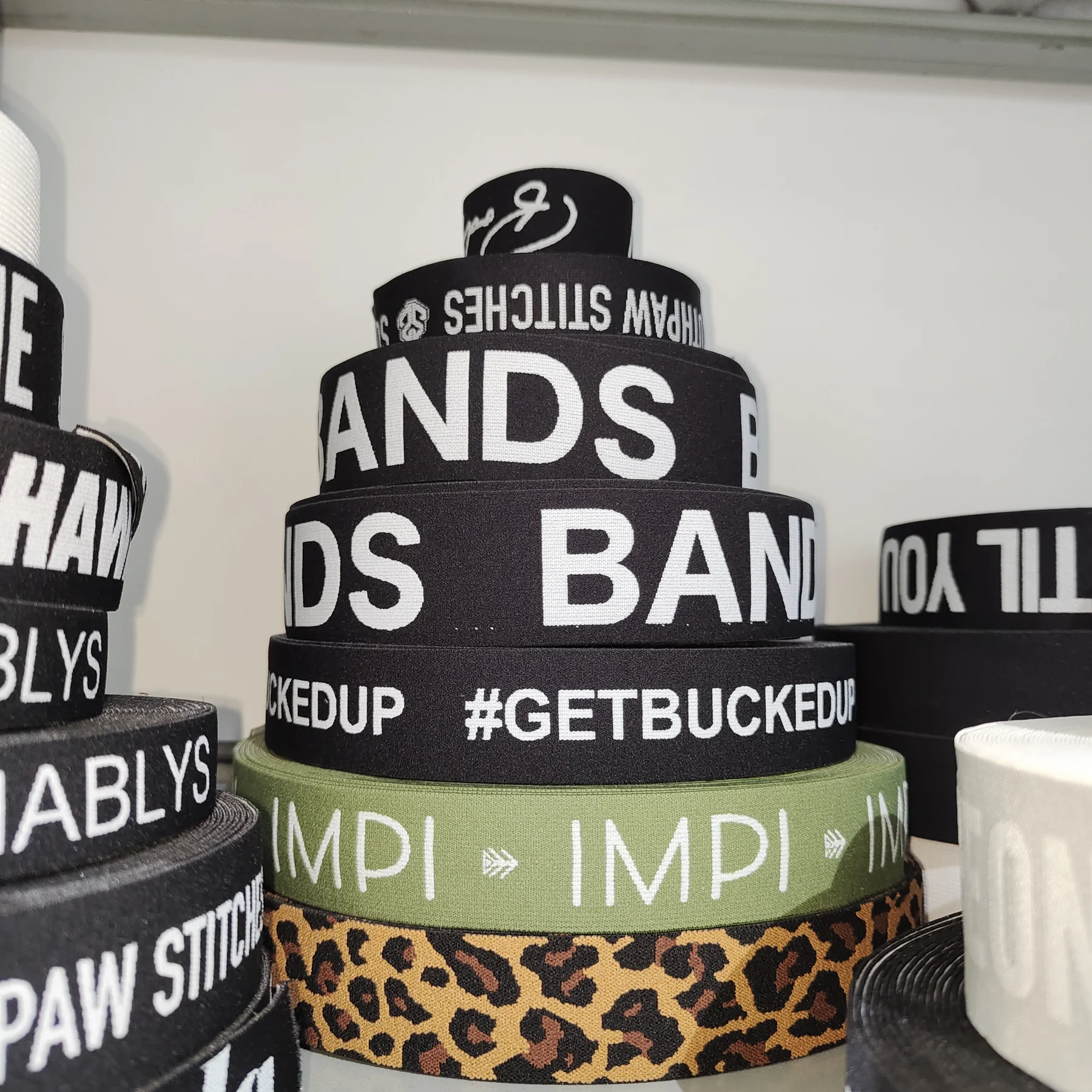
- Component: custom elastic, cups, zips, labels or packaging can have separate supplier minimums.
Calculate the Order by Colour, Then by Size
Illustrative planning example: 100 pieces in one colour, allocated as 30 S, 40 M and 30 L, totals 100. A second colour at the same quantity makes 200 garments. These numbers explain the calculation only; the final mix must be confirmed for your project.
For a two-piece set, ask whether “100 pieces” means 100 complete sets or 100 individual garments. State both the number of sets and the number of tops and bottoms. Also confirm whether separate top and bottom sizes are available.
Identify What Is Driving the Minimum
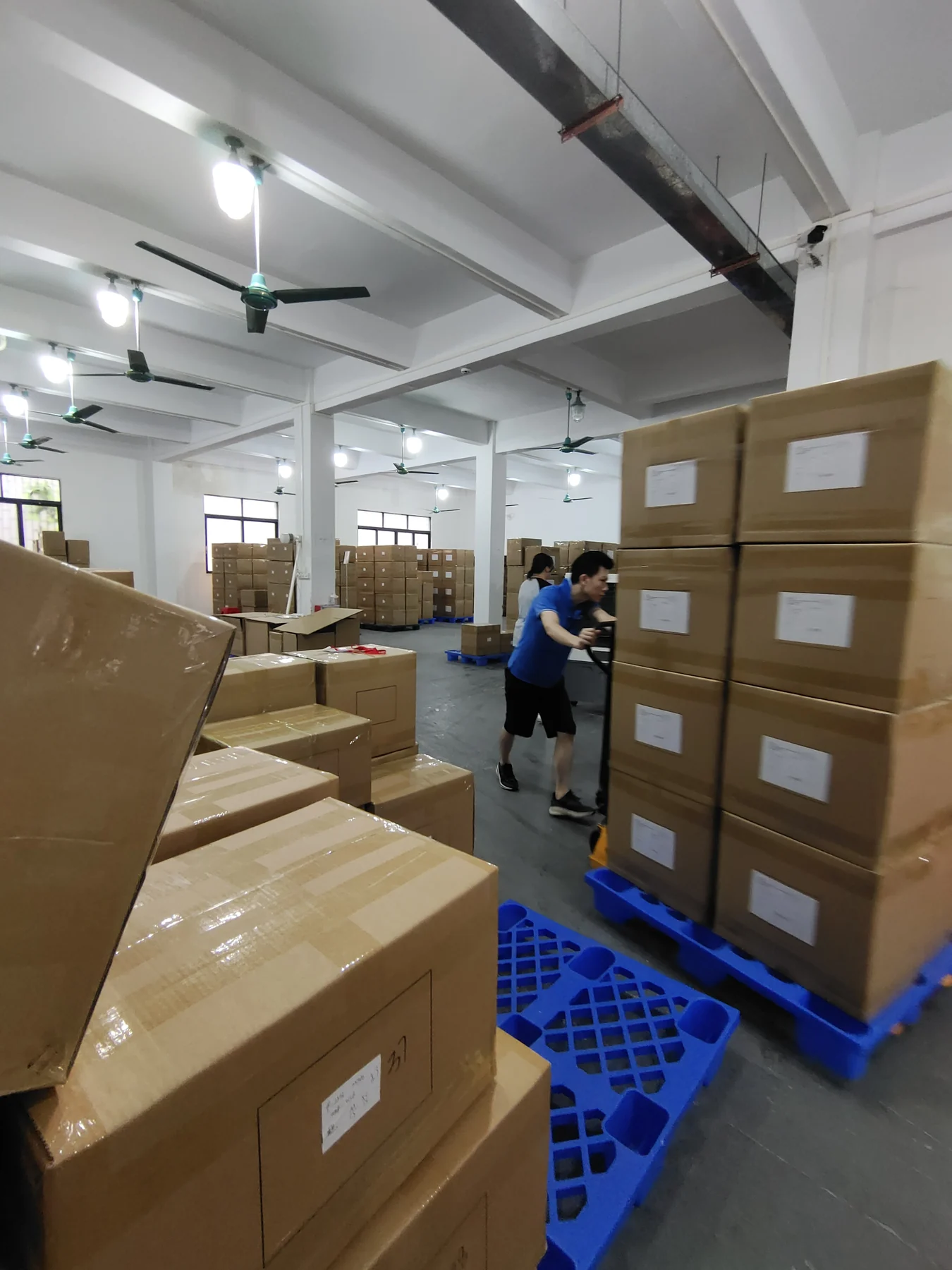
Request a reasoned breakdown instead of negotiating only the headline number. Available fabric, custom colours and proprietary components have different purchasing routes.
- Is the limiting factor fabric, dyeing, sewing setup, branding or packaging?
- Is unused fabric or excess trim included in the quote, retained for a repeat order or excluded?
- Does changing the colour count affect quantity, unit price or timing?
- Does the proposed sample use the same material and finish planned for bulk?

Build a Practical First Order
Reducing complexity often makes a first order easier to assess. Shortlist fewer styles and colours, then decide where custom development adds the most value.
- Review available materials and colour options before requesting a custom dye.
- Use common labels or trim specifications across related products where suitable.
- Separate essential launch requirements from optional features.
- Request an itemized alternative if a custom component is driving the minimum.
Confirm the Basis for Repeat Orders
A previous order does not automatically reserve the same fabric, colour batch or production slot. Ask whether the pattern, approved sample, material code and artwork will be retained, and whether a fresh material purchase changes the repeat-order minimum.
Record the agreed MOQ by style and colour in the quotation or order confirmation. Avoid relying on a message that quotes only the total collection quantity.
Send a Clear Quantity Brief
- Style name or MIQI product reference and intended activity.
- Number of colours and units per colour.
- Size range and proposed size ratio.
- Fabric route: available option or custom development.
- Logo, label and packing requirements.
- Target destination and launch date, identifying what is flexible.
Use the quotation preparation guide to send the same assumptions to every shortlisted supplier.

Buyer Questions
Can sizes be mixed within one colour?
They may be, subject to the agreed size range, grading and production allocation. Ask for written confirmation of the allowed mix rather than assuming every size can be included.
Does a smaller order always have a lower total cost?
Not necessarily. Setup, sampling and component purchasing can be spread across fewer garments. Compare the complete quotation, including exclusions and any excess material commitment.
Can several products share one minimum?
Only when the supplier confirms a compatible material and production route. Matching colours or similar photographs do not establish that two styles share a minimum.
RELATED PRODUCT DIRECTIONS
Explore Styles for Your Brief.
Use these styles as starting points. Fabric, fit and branding are developed for your project.
Your Next Step
Shortlist the product directions, prepare the colour and size quantities, then request an MOQ review. MIQI can assess the actual brief before you commit to sampling or bulk quantities.