
Private-label activewear packaging connects the garment, customer-facing information and shipment assortment. Plan it before bulk production so labels, folding and set packing do not become late changes. A good packing specification explains both the brand presentation and how quantities will be verified.
Approve garment labels, artwork, individual packing and carton assortments as one documented scope. Confirm destination and retailer requirements before printing; a packaging mock-up does not establish regulatory compliance.
Separate Information From Decoration
List which items identify the product and which create the brand presentation. Keep final wording and artwork in a controlled file.
- Brand label and size identification.
- Fibre composition, care information and origin wording as required for the intended market.
- Hangtag, barcode or retailer references where needed.
- Packing warning text or other destination-specific requirements, where applicable.
The required content depends on the final product, market and sales channel. Have the responsible buyer or adviser review it before production; do not use a generic label as proof of compliance.
Define the Individual Pack
- How the garment is folded and which face is visible.
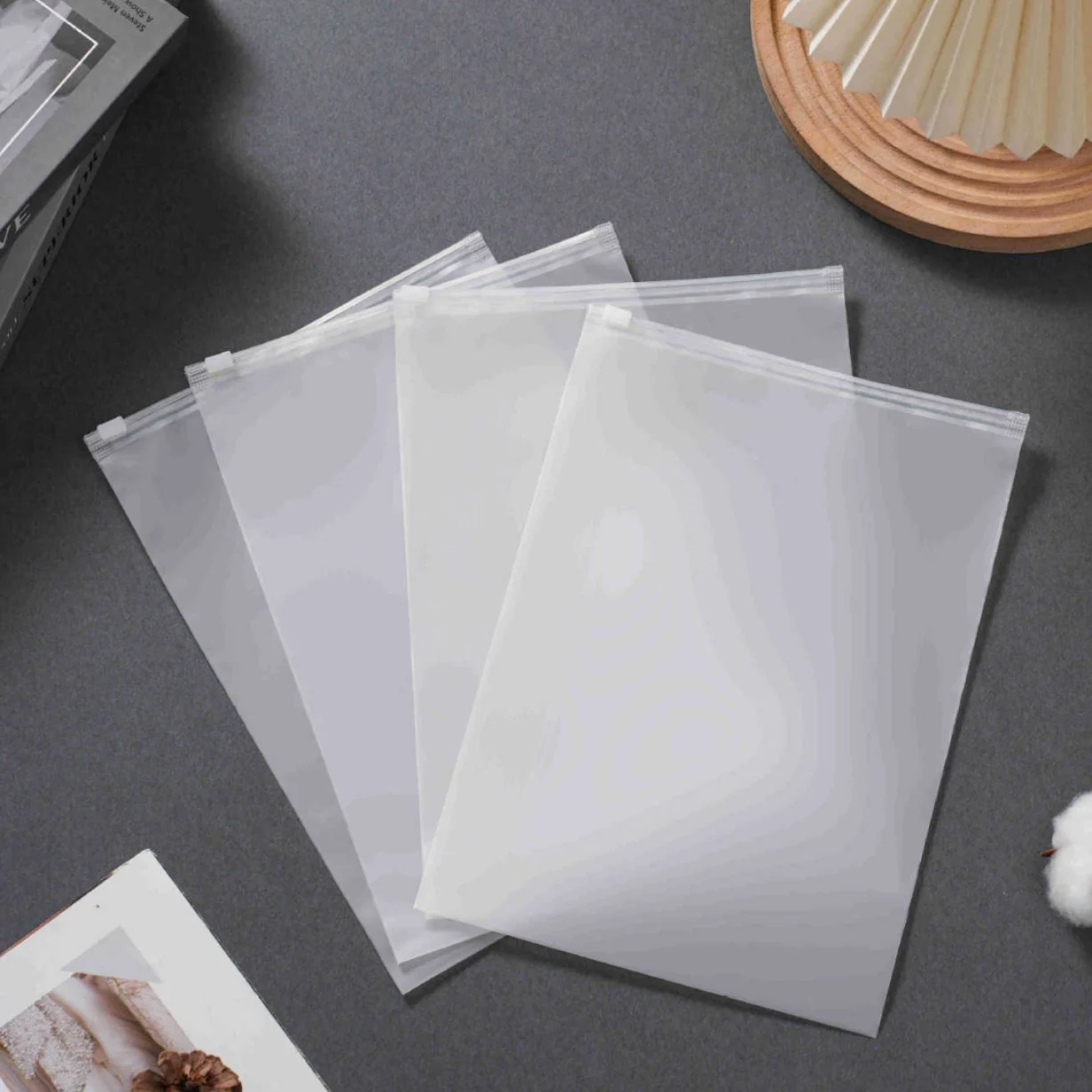
- Bag or other packing material, size and closure.
- Logo, sticker position and size or colour identification.
- Whether accessories or inserts are included.
- Whether a label must remain visible without opening the pack.
Approve a physical packing sample where the presentation matters. Check fit in the pack, visibility and the intended unpacking experience. Avoid specifying a bag only by a photograph.
Make Set Packing Unambiguous
For matching sets, define whether the quoted unit is a complete set or one garment. State whether tops and bottoms are packed together, and how a mixed-size set is identified.
An illustrative instruction might say “one top and one bottom per set, both size M, one set per labelled pack.” If different sizes may be paired, provide the exact matrix and barcode or SKU rule. The actual method must be agreed for the order.

Plan Carton Assortments and Marks
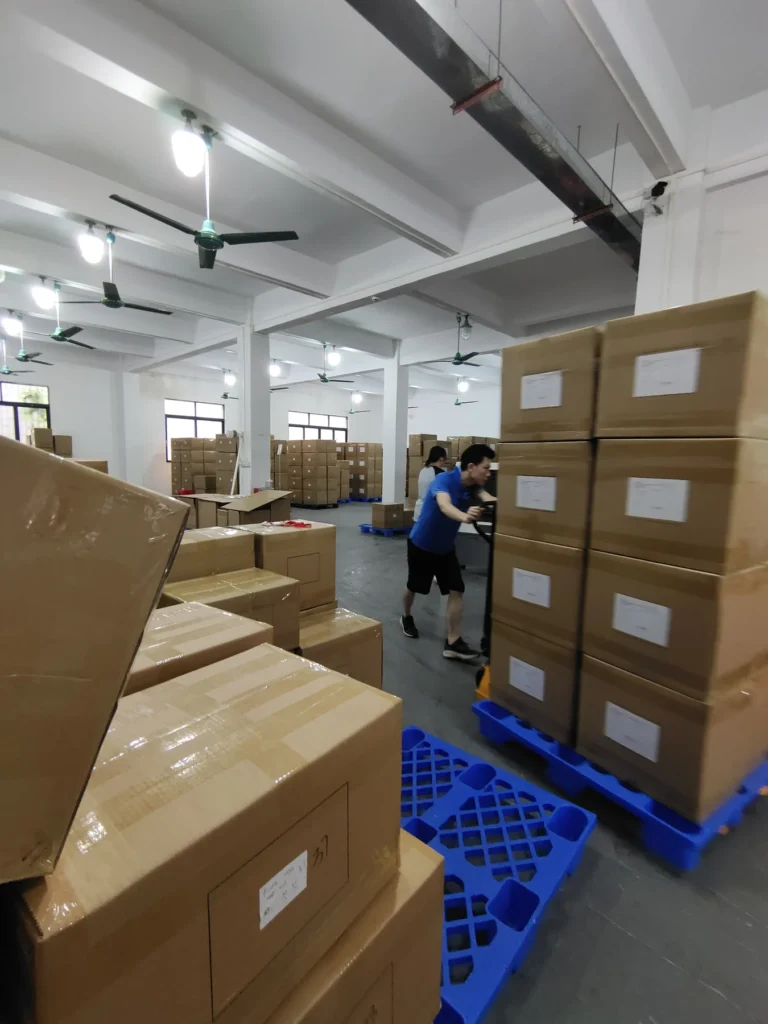
A packing list should describe how the confirmed order is divided. Decide whether cartons contain one SKU or a mixed assortment, and how each carton is identified.
- Style, colour, size and unit count per carton.
- Carton numbering and required marks.
- Carton dimensions and agreed weight limits.
- Any channel-specific label position.
- Who approves the final packing list before shipment.
Review Cost, Minimums and Timing
Custom bags, hangtags, labels and inserts may involve setup, separate minimums and production time. Ask whether these are included in the garment quote and how any excess components will be treated.
Freeze artwork after approval. A late change to a care label or barcode can affect already printed items and the shipment plan. Use the MOQ guide to separate garment quantities from component purchasing.

Check the Packed Order
- Match garment identity and size labels with the order.
- Verify the approved folding and pack contents.
- Count the assortment against the packing instruction.
- Check carton marks and the packing list against actual contents.
- Record and resolve discrepancies before release.
Connect these checks to the final quality and handoff plan.
Buyer Questions
Can I use standard packing for a first order?
Discuss available options and confirm what is included. A simpler pack may reduce custom-component work, but the garment and destination still need the correct identification and information.
Are recycled bags automatically a sustainable claim?
No. Request evidence for the specific material and define the claim accurately. Do not infer verified recycled content from a visual or a supplier adjective.
Can packaging be decided after production?
Some choices may remain flexible, but custom labels and printed components can be needed earlier. Confirm their approval deadline during project planning.
RELATED PRODUCT DIRECTIONS
Explore Styles for Your Brief.
Use these styles as starting points. Fabric, fit and branding are developed for your project.
Your Next Step
Review MIQI packaging options and the packing and shipping checklist, then send your artwork, assortment and destination requirements.