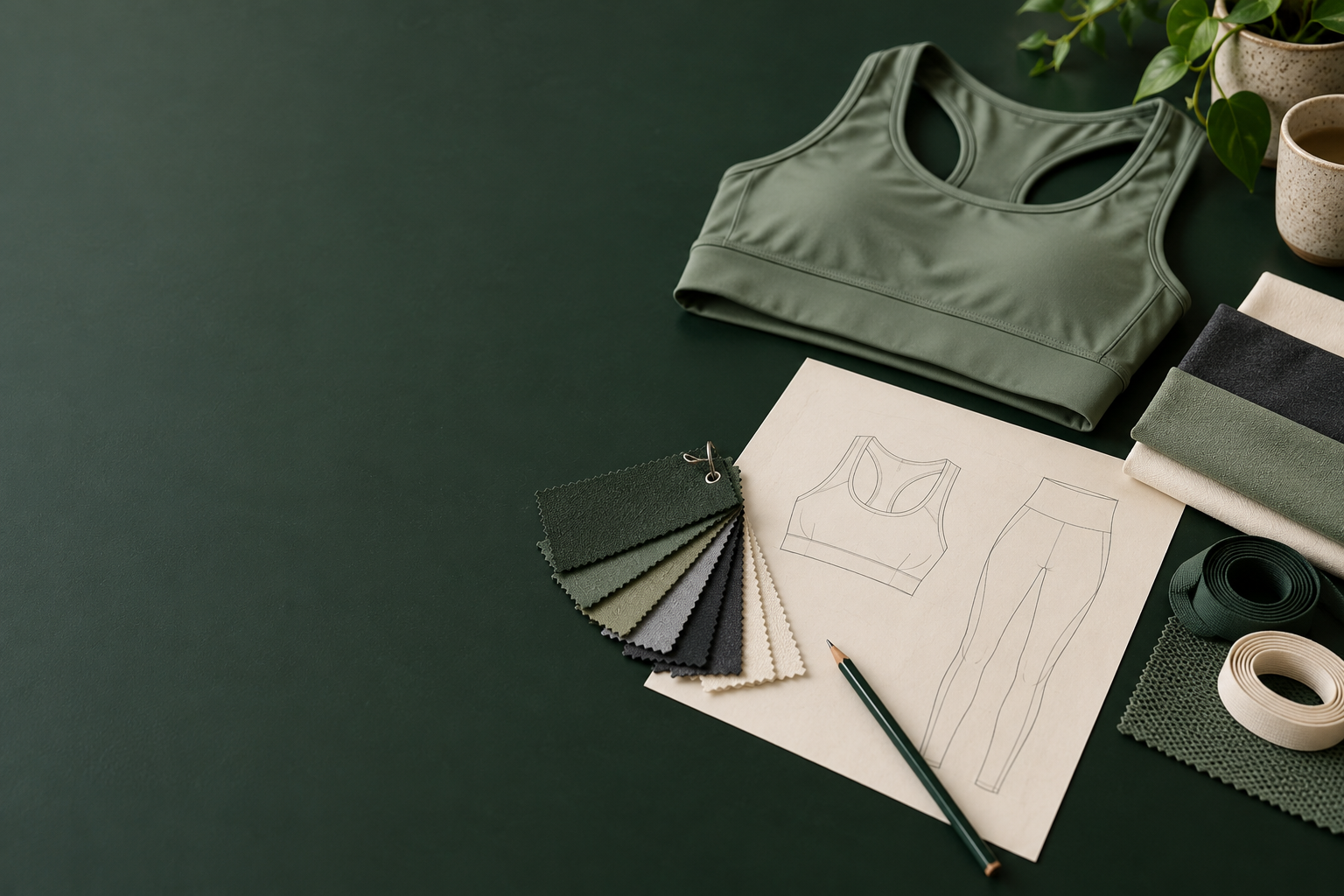
OEM and ODM describe broad cooperation routes, but suppliers do not always use the terms in the same way. The practical decision is how much product definition you already have, what development support you need and which approvals remain your responsibility.
Ask what is included rather than choosing from the label alone. Both routes still need a clear specification, material and sample approvals, agreed commercial terms and a production reference.
OEM: Develop Against Your Specification
OEM commonly refers to manufacturing a buyer-defined product. The buyer may provide technical drawings, measurements, construction, material references and branding, while the supplier reviews feasibility and makes the agreed product.
- Suitable starting point: a developed tech pack or a reference garment with defined requirements.
- Clarify: pattern ownership, material sourcing, development changes and included sampling.
- Buyer responsibility: provide the intended product definition and approve any proposed deviation.
A factory may still recommend construction changes. Record them in the current specification instead of relying on the term OEM to describe the final scope.
ODM: Develop From a Supplier Direction
ODM commonly begins from a supplier-developed design or product direction that is adapted for a buyer. The degree of change can range from branding to substantial fit, material or construction development.
- Suitable starting point: a shortlisted style and a clear brand or wearer brief.
- Clarify: which elements can change and whether changes require new patterns or samples.
- Buyer responsibility: approve the final version rather than assuming the displayed style is ready for the intended market.
MIQI’s product directions are made-to-order development references. They are not a ready-stock offer or a fixed online-price promise.

Compare the Actual Deliverables
For either route, ask for the same scope list: drawings or patterns, material selection, sample rounds, grading, artwork trials, quality checks and packing. State what is included, charged separately or still undecided.
A more developed starting point may reduce some decisions, but a different fabric, size range or construction can still require review. Neither label guarantees a lower MOQ or faster delivery.

Clarify Ownership and Use Rights
Before sharing or adapting designs, discuss who owns the supplied artwork, pattern and development files, what access is provided and whether any exclusivity applies. Do not assume a publicly displayed style is exclusive to your brand.
Put the agreed scope and file handover in the commercial documentation. Specific intellectual-property or exclusivity commitments require a separately agreed arrangement; this guide does not promise rights that have not been granted.
Approve the Final Product File
- Intended activity, customer, size range and fit.
- Fabric and component references, colours and branding.
- Measurements, construction and agreed tolerances.
- Sample identity and any remaining conditions.
- Quantity, packing, inspection and delivery scope.
Use the tech-pack guide and sample timeline to keep these approvals connected.

Choose a Starting Route
If your design is well specified, ask for a feasibility review against that file. If you are selecting from a product direction, list the changes that matter to your brand. If you only have an idea, identify the development outputs needed before a reliable quotation can be finalized.
The route may change as the project develops. Keep the scope clear rather than forcing an early project into a single label.

Buyer Questions
Does private label mean only adding a logo?
It can include branding, but the actual scope may also cover material, colour, fit, labels and packing. Confirm every requested change and its development effect.
Is ODM always faster?
No. Material availability, modifications, sampling and approvals determine the actual plan. Ask for a schedule based on your chosen scope.
Can I combine my design with a supplier reference?
You can discuss that route, subject to feasibility and appropriate rights to the supplied material. Document the agreed final specification and ownership arrangements.
RELATED PRODUCT DIRECTIONS
Explore Styles for Your Brief.
Use these styles as starting points. Fabric, fit and branding are developed for your project.
Your Next Step
Compare style-development support with the current product directions, then send your starting information so the development scope can be defined.