
Review leggings waistband rolling, slipping and pressure separately. Use fit notes, construction checks and controlled sample revisions before approving bulk production.
A rolling or slipping waistband needs a combined review of the wearer fit, rise, waistband shape, material recovery and sewn construction. Describe when and where it happens before deciding on a revision. Making the band tighter is not a reliable one-step answer.
Separate Rolling From Slipping
| What happens | What to record | First review |
|---|---|---|
| The top edge folds over | Location, direction and movement that triggers the fold | Band height, shape, local pressure and position on the torso. |
| The whole waistband moves down | Starting position and distance moved during activity | Waist-to-hip fit, rise, material behaviour and garment balance. |
| The band digs in or leaves discomfort | Where pressure is felt and when it starts | Finished measurements, elastic tension, edges and seam bulk. |
These observations guide development; they are not diagnoses. Two samples with the same symptom may need different changes.
Check Fit and Measurements Before Changing Construction
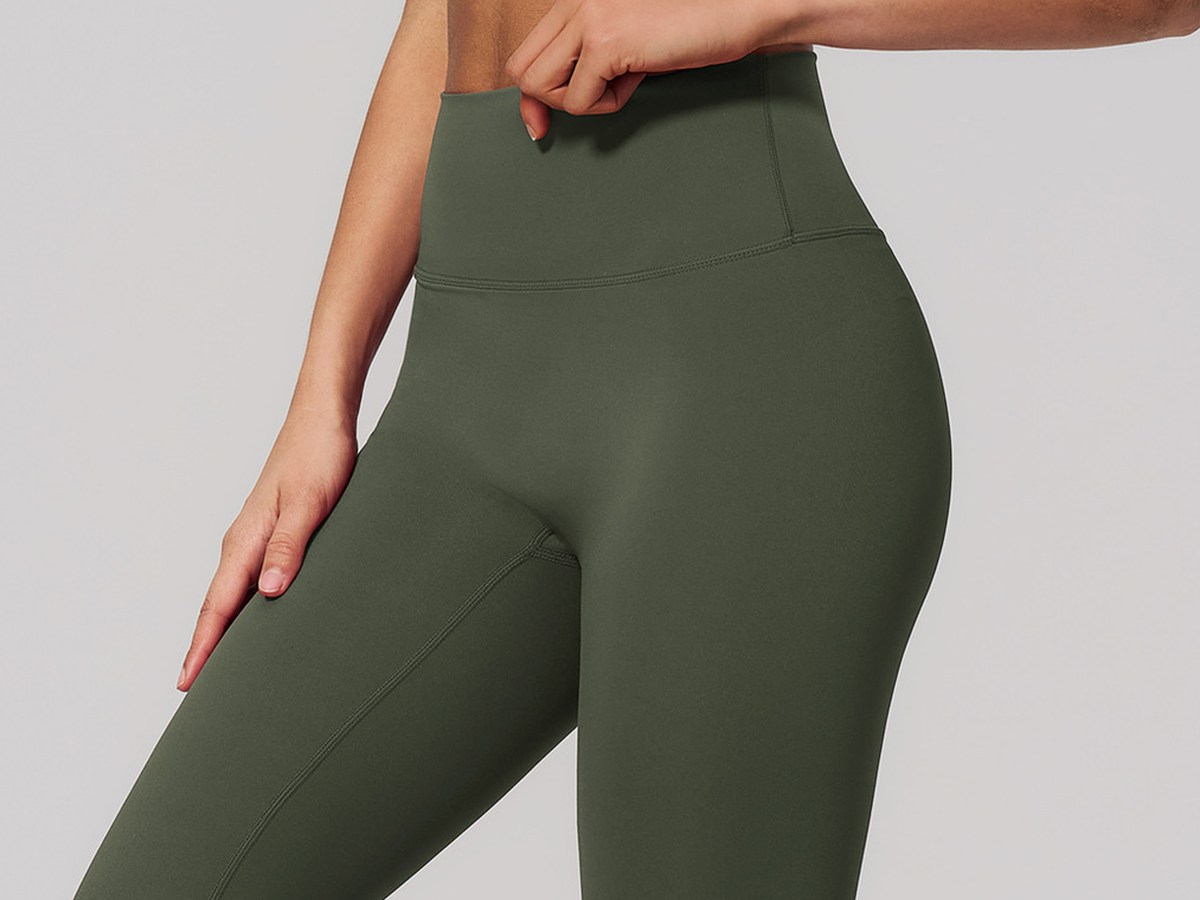
- Record waist, hip and relevant torso or rise measurements.
- Measure the finished waistband relaxed using the agreed points and method.
- Note the intended waist position and whether the garment reaches it without pulling.
- Observe standing, sitting, bending and the movements relevant to the range.
Use a suitable fit wearer and an agreed movement sequence. A single photograph cannot show how the waistband behaves over time.
Review the Waistband as a Construction System
Review the outer fabric, inner layer, band shape, elastic if used, seams and join to the body together. Discuss changes to height, contour or reinforcement only after identifying the issue on the sample.

ASTM describes fabric stretch and growth as useful properties in material selection, with different methods and scopes. See ASTM’s D2594 scope and related methods. Ask a competent testing provider which current method suits the actual fabric; this does not certify the waistband.
Plan a Controlled Revision
- Keep the original sample, specifications and issue notes.
- Agree the most relevant change with the pattern and sample team. Record any linked changes.
- Make the revised sample in the intended material where possible.
- Repeat the same fit and movement review on the same size and comparable wearer.
- Check other affected sizes before approving grading and bulk production.
Possible development options include refining the band contour or height, changing the inner layer, reviewing elastic selection, or adjusting the relationship between rise and waist fit. Each option must be sampled; none guarantees a no-roll result.
Recheck After the Agreed Care Procedure
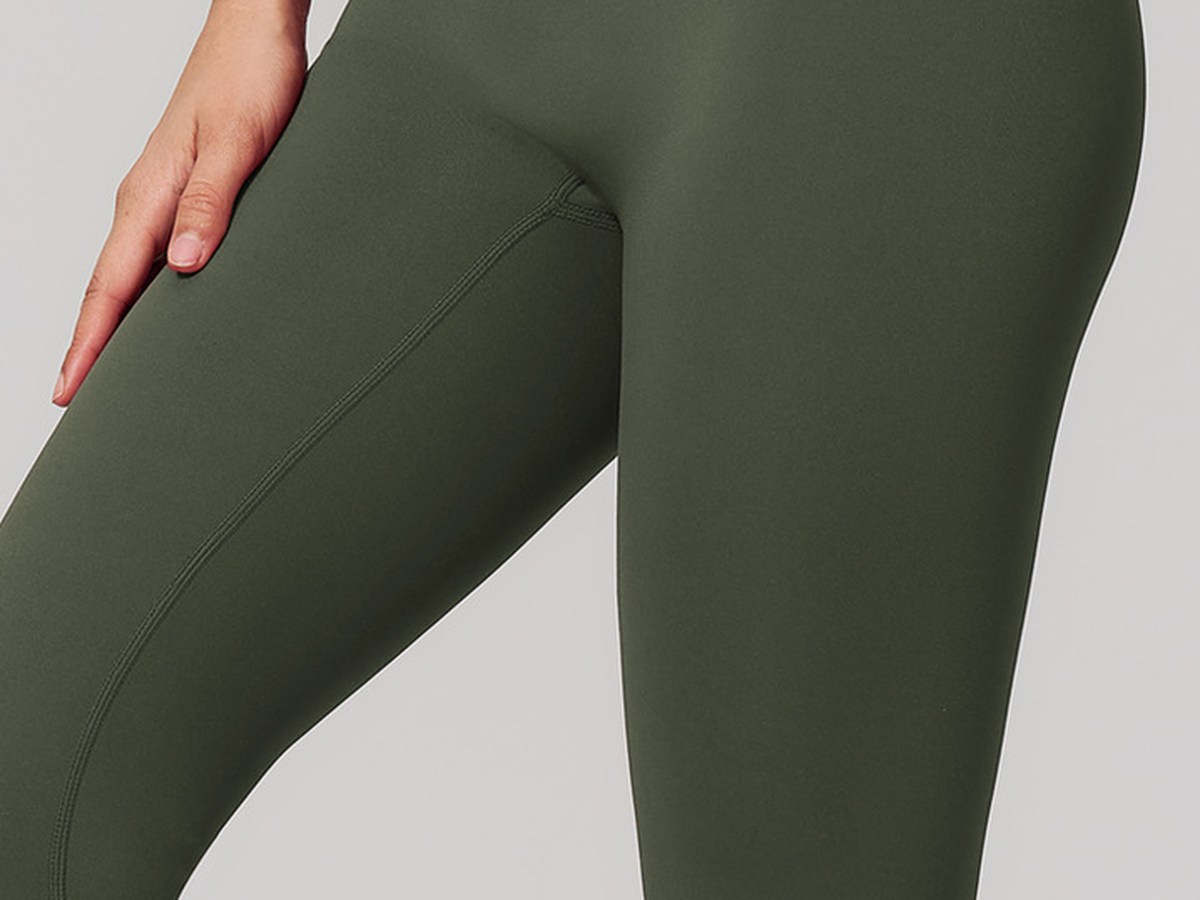
Record waistband shape, finished dimensions, seam appearance and fit after the specified care procedure. If the result changes, identify whether the material, component or construction needs a further review.
Connect these notes to the technical pack and the quality-control plan.
Buyer Questions
Should I automatically make the waistband smaller?
No. More tension can create a different problem. Check the intended fit and construction before deciding whether dimensions, material or another feature should change.
Can a wider waistband solve rolling?
It is an option to review, not a guaranteed solution. Height, shape, fit, material and construction must work together.
Can one fit sample approve the complete size range?
Use the initial sample to establish the direction, then agree the sizes and wearer range needed for grading and fit approval. Do not assume the same behaviour in every size.
RELATED PRODUCT DIRECTIONS
Explore Styles for Your Brief.
Use these styles as starting points. Fabric, fit and branding are developed for your project.
Your Next Step
Send your product reference, target activity, size range, colours and sample questions. Mark the decisions that are still open so MIQI can review the development scope.